
The Quiet Cost Of Sitting On Home Equity
Many Australians have worked hard to build equity in their home. But if that equity sits unused for too long, it may quietly limit their future wealth.
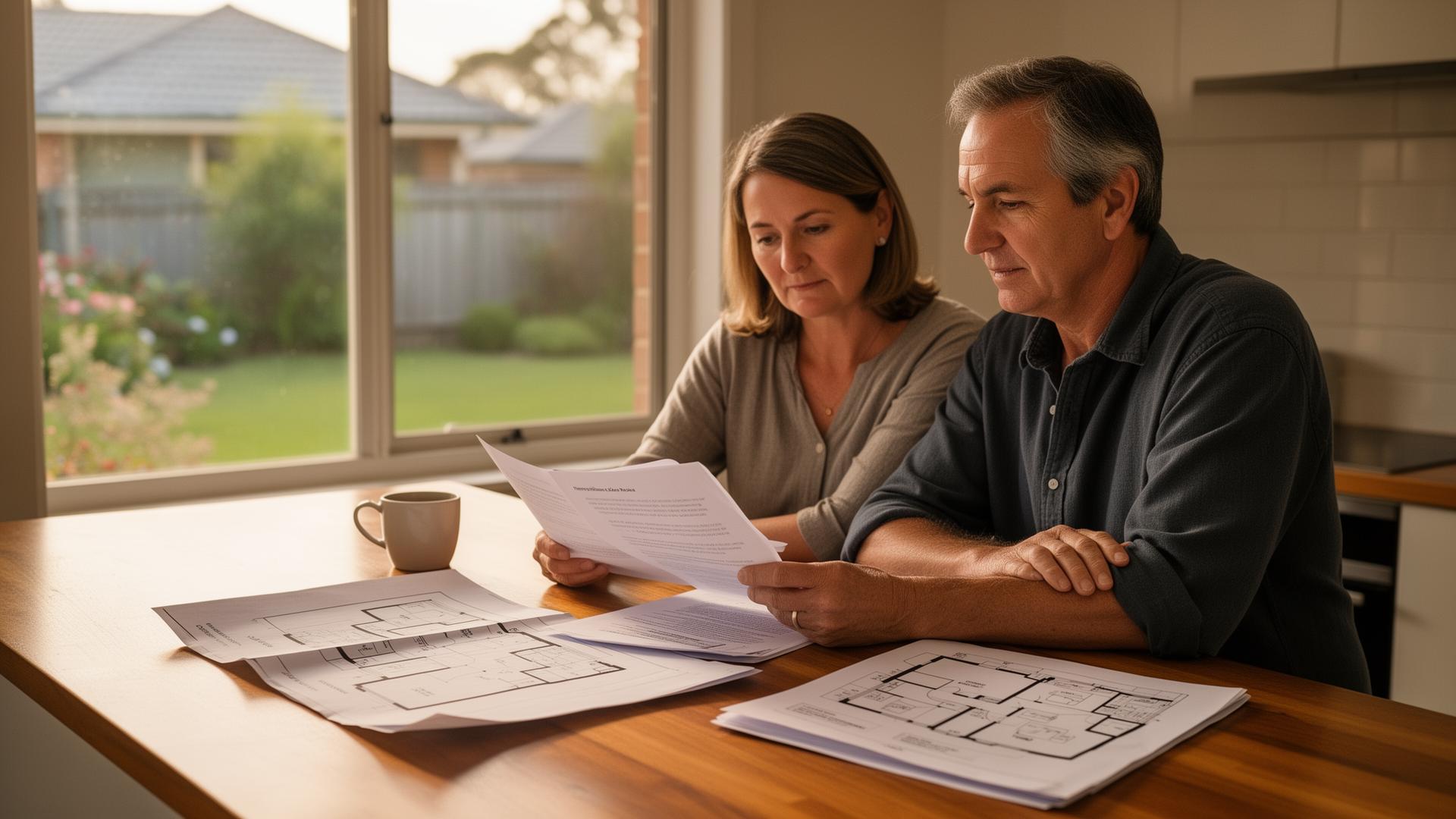
Many Australians have worked hard to build equity in their home.
They have paid down the mortgage.
Their property has grown in value.
They have done the right thing for years.
But there is one problem.
That equity may be sitting still.
And if it sits still for too long, it can quietly cost far more than most people realise.
Home equity is often one of the largest financial resources a person has. But many homeowners do not know how to use it safely, or whether they should use it at all.
So they leave it alone.
That feels safe.
But doing nothing also has a cost.
What Is Home Equity?
Home equity is the difference between what your home is worth and what you owe on it.
For example:
| Item | Amount |
|---|---|
| Home value | $900,000 |
| Home loan | $500,000 |
| Approximate equity | $400,000 |
That does not mean you should use all of it.
It does mean you may have a financial lever available.
Used poorly, equity can increase risk.
Used carefully, it may help you:
- invest sooner
- build a property portfolio
- reduce tax pressure
- grow long-term wealth
- create more options for retirement
The key is not just accessing equity. The key is using it with a plan. Our home equity strategy overview explains how we approach this.
Why Many Homeowners Leave Equity Sitting Still
Most people are cautious with home equity. That is understandable.
They worry about:
- taking on too much debt
- interest rates rising
- choosing the wrong property
- hurting the family home
- not understanding the numbers
- making an expensive mistake
These concerns are valid.
Using equity without proper planning can be dangerous.
But avoiding the conversation altogether can also be costly.
The real issue is not whether equity is good or bad.
The real question is: Can your equity be used safely and strategically to build future wealth?
The Hidden Cost Of Doing Nothing
If you have equity sitting in your home and no investment plan, you may be losing time.
And time is one of the biggest wealth-building advantages you have.
Property investing is not only about buying an asset. It is about giving an asset time to:
- grow in value
- generate rent
- create tax benefits
- reduce debt over time
- compound with future investments
Waiting five, ten or fifteen years can make a major difference.
The problem is that the cost of waiting is invisible. You do not see it as a bill. But it can show up later as:
- less retirement income
- fewer investment assets
- more pressure to keep working
- missed tax benefits
- reduced financial choice
That is why sitting on equity can feel safe today, but expensive later.
The Common Mistake
Many people think using equity means being reckless. It does not have to.
The mistake is not using equity. The mistake is using equity without:
- a cash flow plan
- borrowing buffers
- tax advice
- property research
- risk controls
- a long-term strategy
A good property strategy should not be built around hope. It should be built around numbers.
Before using equity, you should understand:
- your income
- your current debt
- your interest rate exposure
- your available buffer
- your tax position
- your borrowing capacity
- the type of property that fits your plan
- what happens if rates or expenses rise
That is where risk is reduced. Not removed completely. But reduced. We cover this in more depth in our note on stress-testing an equity release.
A Simple Example
Let's say a couple owns a home worth $950,000.
They owe $520,000.
They may have approximately $430,000 in equity.
They may not want to touch it because it feels safer to leave it alone.
But after proper lending assessment, they may be able to release a portion of that equity and use it as a deposit and costs for an investment property.
That investment property may then create:
- rental income
- tax deductions
- depreciation benefits if it is a new build
- long-term capital growth potential
- a second asset working for their future
The important point is this: they are not selling the family home. They are not gambling. They are reviewing whether the wealth already built in the home can help create the next asset.
Structuring this well also requires ringfencing personal and investment debt from day one.
Why New Build Property Can Suit Equity Strategies
For many investors, new build property can be useful because it may offer stronger tax and cash flow benefits than older property.
This can include:
- depreciation benefits
- lower maintenance in the early years
- modern tenant appeal
- clearer build specifications
- potential rental demand in growth areas
This does not mean every new build is a good investment. Location, price, rental demand, land value, infrastructure and supply all matter.
But when selected carefully, a new build can help an equity strategy work more efficiently — a point we explore in why new builds suit strategic investors.
How To Use Equity More Safely
A safer equity strategy should include several safeguards.
1. Do Not Use All Available Equity
Just because the bank may allow you to borrow does not mean you should use the maximum. Keep buffers.
2. Stress Test The Numbers
Ask what happens if:
- interest rates rise
- rent is lower than expected
- the property is vacant
- expenses increase
- your income changes
3. Separate Personal And Investment Debt
Your home loan and investment debt should be structured clearly. This helps with tracking, tax records and risk management.
4. Keep Cash Buffers
A buffer gives you breathing room. Without a buffer, even a good investment can become stressful.
5. Choose The Property Carefully
Do not buy just because a property is available. The property should match the strategy.
Look at:
- population growth
- jobs
- infrastructure
- vacancy rates
- rental demand
- land supply
- price point
- long-term growth drivers
6. Get Advice Before Acting
Equity decisions affect your debt, tax position, family home and long-term financial plan. Do not guess. Get the numbers reviewed.
The Real Goal
The goal is not to borrow more money for the sake of it. The goal is to make better use of what you have already built.
For many Australians, the family home has done a lot of heavy lifting. But at some point, the question becomes: is this equity helping me build the future I want?
If the answer is no, it may be worth reviewing your options.
What To Do Next
You do not need to rush into buying property. The first step is simply to understand your position.
That means reviewing:
- your income
- your home equity
- your current debts
- your tax position
- your borrowing capacity
- your goals
- your comfort with risk
From there, you can see whether property investment makes sense. And if it does, what kind of property strategy is safest and most logical for your situation.
Review Your Position
If you have built equity in your home but are not sure what to do next, the first step is clarity.
We can help you understand what your current position may support and whether a property investment strategy is worth considering. Book a private strategy call when you're ready.
Long-term property investment strategy for Australian professionals. Research-led, conservative, multi-decade in horizon.
About Jerry